
For over 50 years, we have dedicated ourselves to providing Industry with best in class wire management solutions and to helping solve mission critical issues.

The needs of today’s schools and universities are changing fast. When it comes to anticipating and meeting those needs, MonoSystems is in a class of its own.

For the past five decades, we’ve made it our business to offer more value to our partners, which in turn provides greater value to their customers.
How to Choose the Right Metal Cable Tray for Your Electrical Installation
 Choosing the right metal cable tray for your electrical installation is crucial for ensuring safety, durability, and efficiency in any project. According to a recent report by MarketsandMarkets, the metal cable tray market is projected to reach $6.76 billion by 2026, growing at a CAGR of 5.1% from 2021. This significant growth underscores the increasing reliance on metal cable trays in various sectors, including construction, manufacturing, and telecommunications, making it essential for professionals to make informed decisions about their selection.
Industry expert John Smith, a leading figure in electrical installation consultancy, emphasizes the importance of choosing the right cable management system: "The efficiency and reliability of electrical installations can directly hinge on the quality and compatibility of the installed metal cable tray." His insight highlights that understanding the types, materials, and installation practices associated with metal cable trays is not merely a technical consideration but a foundational element that affects overall project success.
As the demand for structured cable management continues to rise, it becomes imperative for electrical engineers and project managers to evaluate their options carefully. Factors such as load capacity, environmental conditions, and compliance with industry standards will not only influence the performance of the metal cable trays but also ensure that installations comply with safety regulations. Learning how to navigate these considerations is key to optimizing both performance and safety in electrical installations.
Understanding the Different Types of Metal Cable Trays Available
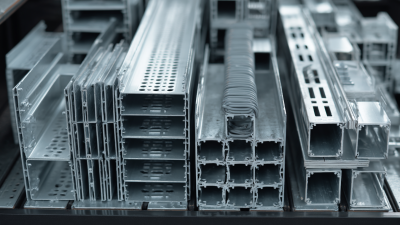
When selecting the right metal cable tray for electrical installations, it's important to understand the different types available, as they play a crucial role in supporting and protecting electrical wiring. The U.S. cable tray market is categorized mainly into three materials: steel, aluminum, and stainless steel, each offering distinct advantages. Steel trays are known for their strength and durability, making them ideal for heavy-duty applications. Aluminum trays, on the other hand, are lightweight and resistant to corrosion, which can be advantageous in environments exposed to moisture. Stainless steel combines the benefits of both, offering strength along with excellent resistance to corrosion, making it suitable for specialized settings.
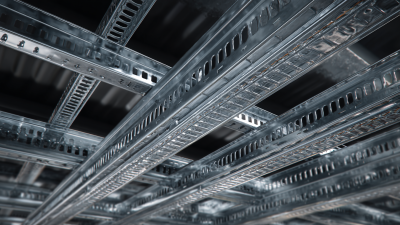
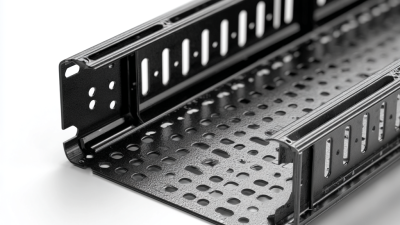
The types of metal cable trays include ladder, solid bottom, trough, and channel configurations. Ladder trays are particularly popular due to their versatility and efficient airflow, reducing overheating risks. According to recent industry analysis, the cable tray market is projected to reach approximately USD 5.4 billion, growing at a CAGR of 2.4% from 2025 to 2035. This growth underscores the increasing demand for reliable cable management solutions in various electrical applications, highlighting the importance of choosing the right type to ensure both safety and efficiency in installations.
How to Choose the Right Metal Cable Tray for Your Electrical Installation - Understanding the Different Types of Metal Cable Trays Available
| Type of Cable Tray | Material | Load Capacity (lbs) | Applications | Price Range ($) |
|---|---|---|---|---|
| Ladder Tray | Aluminum | 800 | Industrial, Data Center | 150 - 300 |
| Wire Mesh Tray | Steel | 750 | Commercial, Telecommunications | 100 - 250 |
| Solid Bottom Tray | Galvanized Steel | 1000 | Power Plant, High Voltage | 200 - 400 |
| Perforated Tray | Stainless Steel | 600 | Food Processing, Clean Rooms | 250 - 500 |
| Channel Tray | Aluminum | 500 | Commercial Buildings, Offices | 50 - 150 |


Related Posts
-
Exploring the Benefits and Innovations of Aluminum Cable Trays in Modern Electrical Installations
-
Ultimate Checklist for Choosing the Best Metal Cable Tray for Your Project Needs
-
China Leads the Global Market with Best Cable Tray Covers for Unmatched Quality
-

Mastering the Best Cable Tray Desk for Ultimate Workspace Organization
-
Emerging Technologies Shaping Best Cable Tray Systems for 2025 and How to Optimize Your Setup
-

Understanding Import and Export Certifications for the Best Stainless Steel Cable Tray