2026 Best Aluminum Cable Tray Types for Global Buyers

In 2026, aluminum cable tray systems remain a practical choice for industrial plants, data centers, renewable-energy sites, and commercial buildings. Their light weight can simplify handling, while corrosion resistance may reduce maintenance in humid or coastal environments. Yet “aluminum” is not a complete specification. Buyers must compare ladder, perforated, solid-bottom, wire-mesh, and channel designs against cable loads, spans, ventilation needs, and installation space. Details matter. A tray that looks strong in a catalog may require closer support spacing when cables become heavier or grouped tightly. Experienced project teams review alloy, temper, finish, side-rail depth, accessories, and connection hardware before approving a supplier. They also check whether the stated load rating reflects actual installation conditions, not only a laboratory arrangement.

This guide examines the best aluminum cable tray types for global buyers in 2026, with attention to performance, sourcing, and long-term value. It considers common engineering practices, manufacturer documentation, test reports, and regional requirements. Local codes and project specifications still control the final decision, so buyers should confirm details with qualified engineers and authorized suppliers. Measure twice. A reliable selection process also evaluates corrosion exposure, fire considerations, bonding continuity, delivery capacity, packaging, warranty terms, and replacement availability. Price alone can hide weak joints, unsuitable finishes, or costly field modifications. The choice is not always obvious, especially when a lightweight design conflicts with wide spans or high cable density. That assumption deserves reconsideration. We will highlight practical trade-offs rather than promise one universal solution. Some recommendations may need refinement as standards, materials, and project conditions change. This honest limitation supports better purchasing decisions and more dependable installations across markets.
2026 Best Aluminum Cable Tray Types for Global Buyers

What Aluminum Cable Trays Are and Why They Matter in 2026

2026 Best Aluminum Cable Tray Types for Global Buyers

What Aluminum Cable Trays Are and Why They Matter in 2026

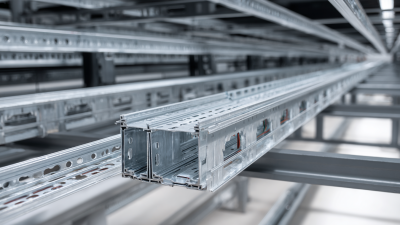
Aluminum cable trays are support systems that route and protect power, control, and communication cables. They usually appear as ladder, perforated, solid-bottom, or wire-mesh designs. Each type manages airflow, cable separation, and installation access differently. Lightweight, but not fragile. Aluminum reduces lifting effort during long industrial installations and rooftop projects. Its natural oxide layer also helps resist moisture and many outdoor pollutants. That detail matters.

In projects I have reviewed, ladder trays worked well for large power cables because they improved ventilation. Perforated trays suited smaller control cables and frequent fixing points. Wire-mesh trays made changes easier inside equipment rooms. In 2026, electrification, solar facilities, battery plants, and data centers are increasing cable density. Aluminum helps reduce structural loading while supporting heat management. However, tray selection still requires careful engineering. Load capacity depends on width, span, cable weight, and support spacing. Engineers should also verify bonding, grounding, fire performance, and applicable international standards. Mixed-metal connections need attention because galvanic corrosion can develop in wet environments. It is not perfect. Recycled aluminum content, surface finish, and manufacturing quality can vary between suppliers. Global buyers should request test records, dimensional drawings, alloy details, and installation guidance before approval. A cheaper tray may create costly alignment or maintenance problems later. That risk deserves a closer review.

How Aluminum Cable Tray Types Are Classified

How Aluminum Cable Tray Types Are Classified

Aluminum cable trays are classified by structure, load capacity, ventilation, and installation environment. In project reviews, I usually start with the tray shape. Ladder trays use side rails and cross rungs, making them suitable for power cables that need strong ventilation. Perforated trays use a continuous base with slots. They offer better cable support and moderate airflow. Solid-bottom trays protect smaller cables from falling dust. Wire mesh trays are lighter and useful for short data-cable routes. The distinction matters.

Load classification depends on cable weight, tray width, and support spacing. Light-duty trays may serve control cables, while heavy-duty designs carry grouped power cables across longer spans. Buyers should check the manufacturer’s load table rather than trust a simple “heavy-duty” label. A wider tray is not automatically stronger. Aluminum alloy, wall thickness, rung spacing, and bracket design also affect performance. Real sites are rarely perfect.

Surface and environment create another classification layer. Mill-finish aluminum suits many indoor applications and remains relatively lightweight. Anodized or coated surfaces may be considered where appearance, moisture, or specific atmospheric exposure matters. For coastal or industrial locations, engineers should verify corrosion compatibility with bolts, supports, and nearby metals. Galvanic corrosion is easy to overlook. Tray covers, bends, tees, and reducers are classified as system accessories, not optional decoration. Confirm dimensions, grounding requirements, temperature conditions, and local installation standards before ordering. A neat catalog label can still mislead.

2026 Best Aluminum Cable Tray Types for Global Buyers - How Aluminum Cable Tray Types Are Classified

A practical classification table based on construction, cable protection, ventilation, installation environment, and international purchasing considerations.

Aluminum Cable Tray Type Structural Classification Ventilation and Cable Protection Typical Applications Main Advantages Important Buying Considerations Common Standards
Ladder Cable Tray Two longitudinal side rails connected by regularly spaced rungs. Available with different rail heights, rung spacing, widths, and loading configurations. Very high airflow and heat dissipation. Cables remain accessible from the top and can be secured to the rungs. Power distribution, industrial facilities, data-center power routes, renewable-energy systems, and long straight runs. Lightweight structure, efficient cooling, easy cable installation, and convenient cable tie attachment. Check rung spacing, deflection limits, splice-plate strength, support-span requirements, and whether small cables need additional cleats or a cover. IEC 61537; NEMA VE 1; UL 568 where applicable
Perforated or Ventilated Trough Tray A continuous base with regularly distributed ventilation openings and raised side walls. Good ventilation with more continuous cable support than a ladder tray. Openings help reduce heat accumulation. Control cables, instrumentation cables, communication cables, medium-density power cables, and indoor commercial installations. Balanced protection, support, ventilation, and cable management. Suitable for mixed cable sizes. Review opening size, edge protection, cable fill, drainage performance, and the need for a solid or ventilated cover. IEC 61537; NEMA VE 1; UL 568 where applicable
Solid-Bottom Cable Tray A continuous, non-perforated base with side rails or formed side walls. Covers may be supplied for additional environmental protection. Lowest natural ventilation among the main tray types, but offers the strongest continuous cable support and better shielding from falling objects. Sensitive control and instrumentation circuits, small-diameter cables, areas with dust or dripping water, and routes requiring a neat appearance. Helps prevent cable sagging through openings and provides better protection against debris, impact from above, and minor contamination. Confirm heat dissipation requirements, allowable cable fill, drainage provisions, bonding continuity, and cover retention in windy locations. IEC 61537; NEMA VE 1; UL 568 where applicable
Channel Cable Tray Narrow, compact tray section with a single channel or shallow formed profile; commonly used for one or a few cable groups. Limited cable capacity but suitable for organized routing of small cable bundles. Ventilation depends on the open or covered design. Branch circuits, control panels, lighting systems, short distribution routes, and areas with restricted installation space. Compact footprint, simple installation, and suitable for separating small cable groups from larger power routes. Confirm usable internal width, minimum bending radius, cover compatibility, support spacing, and maximum cable quantity. IEC 61537; applicable local electrical installation rules
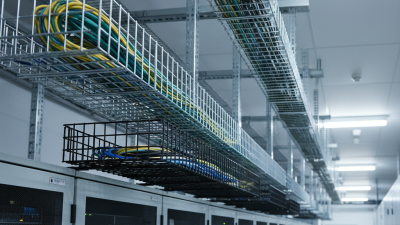
Wire-Mesh Cable Tray Welded or mechanically joined wire grid formed into a basket-like tray. Aluminum versions are selected where low mass and corrosion resistance are priorities. Excellent ventilation and drainage. Provides less continuous support for very small or soft cables unless liners or accessories are used. Data rooms, telecommunications systems, indoor low-voltage networks, short branch routes, and retrofit installations. Fast field modification, excellent airflow, low material mass, and easy visual inspection of cables. Check wire diameter, weld quality, edge smoothness, small-cable retention, electromagnetic compatibility requirements, and accessory availability. IEC 61537; applicable local product requirements
Covered Aluminum Cable Tray Ladder, perforated, or solid-bottom tray fitted with a removable or hinged aluminum cover. Provides additional protection from sunlight, falling objects, dust, and splash water. Heat dissipation is lower than with an uncovered tray. Outdoor routes, rooftop systems, dusty industrial areas, coastal facilities, utility corridors, and locations with overhead contamination risks. Improved environmental protection, reduced ultraviolet exposure, and better cable security in accessible areas. Select ventilated or solid covers according to thermal requirements. Check wind uplift, drainage, cover clamps, bonding, and access for maintenance. IEC 61537; NEMA VE 1; UL 568 where applicable
Aluminum Trough with Divider A trough-style tray containing one or more longitudinal dividers to separate power, control, instrumentation, or communication cables. Protection and ventilation vary according to whether the base is perforated or solid. Dividers improve physical separation. Industrial automation, process control, building services, mixed-voltage systems, and installations requiring organized cable segregation. Helps maintain separation between cable categories and simplifies identification, routing, and future maintenance. Verify divider height, required separation distance, circuit classification, cable bend radius, fill ratio, and bonding between sections. IEC 61537; NEMA VE 1; applicable segregation rules
Marine or Coastal-Grade Aluminum Tray Aluminum tray system using corrosion-resistant construction, suitable fasteners, and finishes or treatments selected for humid, saline, or offshore environments. Available in ladder, perforated, solid-bottom, or covered configurations. Ventilation depends on the selected tray form. Coastal infrastructure, offshore platforms, marine vessels, desalination plants, port facilities, and exposed outdoor installations. Low density, good atmospheric corrosion resistance, easy handling, and reduced maintenance compared with many unprotected steel systems. Assess galvanic corrosion with stainless steel or copper, salt-spray exposure, coating or anodizing requirements, fastener material, and drainage. IEC 61537; NEMA VE 1; project-specific marine requirements

Material and selection note: Aluminum cable trays are commonly manufactured from corrosion-resistant wrought aluminum alloys such as 6063 or 6061 series materials, depending on the required forming, strength, and surface-finish characteristics. Actual load capacity depends on tray width, side-rail height, material thickness, support span, splice configuration, accessories, temperature, and installation method. Buyers should request tested load tables and verify compliance with the applicable edition of IEC 61537, NEMA VE 1, UL 568, or the relevant local standard before final specification.

Which Aluminum Cable Tray Type Fits Each Installation

2026 Best Aluminum Cable Tray Types for Global Buyers

Which Aluminum Cable Tray Type Fits Each Installation

Choosing the correct aluminum cable tray starts with the installation environment. The right type depends on airflow, cable weight, route shape, and maintenance access. Ladder trays suit industrial corridors with heavy power cables. Their wide rungs improve ventilation and simplify cable support. They also allow technicians to add cables without removing the entire route.

Perforated or trough trays offer more protection than ladder designs. They work well in commercial buildings, control rooms, and indoor production areas. Small openings support ventilation while limiting accidental cable movement. Solid-bottom trays provide stronger shielding from falling dust and dripping liquids. They fit sensitive instrumentation routes, but heat can build up if ventilation is poor. Wire-mesh trays are useful for short data-cable routes, server rooms, and areas with frequent layout changes. Their flexible shape helps around cabinets and narrow corners.

Tips: Check the actual cable fill, support spacing, and loading before ordering. In coastal installations, inspect salt deposits and fasteners regularly. Aluminum is light and corrosion-resistant, but it is not maintenance-free. I have seen designers choose solid-bottom trays for clean appearance, then discover unwanted heat inside the route. That choice needs reconsideration. Confirm bonding, grounding, fire separation, and load requirements with a qualified engineer familiar with the project location.

2026 Best Aluminum Cable Tray Types for Global Buyers

Which aluminum cable tray type fits each installation? This comparison uses a practical suitability index from 1 to 5, where 5 indicates the strongest fit for the listed installation requirement.

Ladder trays are generally preferred for power cables and high ventilation. Perforated trays provide balanced support and airflow for industrial and commercial wiring. Solid-bottom trays offer greater protection for control and instrumentation cables, while wire-mesh trays suit data, telecom, and short-span indoor installations.

How Global Buyers Should Compare Standards, Performance, and Cost

Global buyers should compare aluminum cable trays by tested performance, not catalog price. IEC 61537 evaluates mechanical strength, electrical continuity, and corrosion-related requirements. NEMA VE 1 provides another widely used framework for load ratings and testing. These systems are not automatically equivalent. Ask for test conditions, support spacing, deflection limits, and joint resistance.

Aluminum suits coastal plants, rooftops, and data centers because it resists many corrosive environments and reduces handling weight. The International Aluminium Institute reports that recycling aluminum uses about 95% less energy than primary production. The U.S. Department of Energy reports similar energy savings. That matters for lifecycle purchasing, but recycled content alone does not prove tray quality. Check alloy, temper, wall thickness, finish, and fastener compatibility. A cheaper tray can become expensive after extra supports, field cutting, or galvanic corrosion repairs. I have seen cost comparisons miss these details.

Tips: Request a project-specific load table, not a generic maximum. Compare total installed cost, including couplers, bends, supports, freight, labor, and inspection. In salt-air locations, specify compatible hardware and separate dissimilar metals where required. Review fire, bonding, and grounding requirements with a qualified engineer. Standards reduce uncertainty, but they do not replace site judgment.

How to Specify, Source, and Verify Aluminum Cable Trays Worldwide

2026 Best Aluminum Cable Tray Types for Global Buyers

Specify the tray around real installation conditions, not only cable quantity. Record width, side-rail height, rung spacing, span, and expected load per meter. Aluminum alloy selection affects strength, weight, and corrosion behavior. Extruded ladder trays suit long runs and heavier power cables. Perforated or solid-bottom trays protect smaller cables from falling debris. Check the finish near coastal sites, chemical areas, and outdoor supports. A neat drawing is useful, but it can still hide a weak support assumption.

When sourcing worldwide, request drawings, material declarations, load tables, and inspection records. Ask how the supplier controls alloy composition and dimensional tolerances. Compare samples with approved drawings before accepting a large shipment. Measure rail height, hole position, wall thickness, and joint fit. Review packaging closely; bent rails often begin with poor internal bracing. Independent inspection can verify quantity, dimensions, surface condition, and marking before dispatch. It costs more, but replacement delays cost more.

Tips: Keep one signed specification for every quotation. State the unit system, delivery terms, required documents, and acceptable deviations. Photograph samples beside a ruler and record the batch number. Do not trust a polished surface alone. I have seen trays pass visual checks while missing their stated load data. Recheck assumptions when cable weight changes. A small mistake here can become a costly installation problem.