
For over 50 years, we have dedicated ourselves to providing Industry with best in class wire management solutions and to helping solve mission critical issues.

The needs of today’s schools and universities are changing fast. When it comes to anticipating and meeting those needs, MonoSystems is in a class of its own.

For the past five decades, we’ve made it our business to offer more value to our partners, which in turn provides greater value to their customers.
Green Walls are becoming popular in various spaces. These vertical gardens bring life and color to interiors and exteriors. They transform bland walls into vibrant ecosystems. The visual appeal is just the start of their benefits.
Green Wall systems improve air quality. Plants absorb carbon dioxide and release oxygen, enhancing the overall atmosphere. They also reduce noise levels. A Green Wall acts as a natural sound barrier, creating a peaceful environment.
Additionally, these systems promote well-being. Studies show that greenery boosts mood and productivity. Employees in spaces with Green Walls feel more relaxed and focused. However, some may wonder about the maintenance involved. Regular care is necessary to keep the plants healthy. Balancing aesthetics with upkeep can be challenging. But the rewards of a flourishing Green Wall often outweigh the efforts invested.
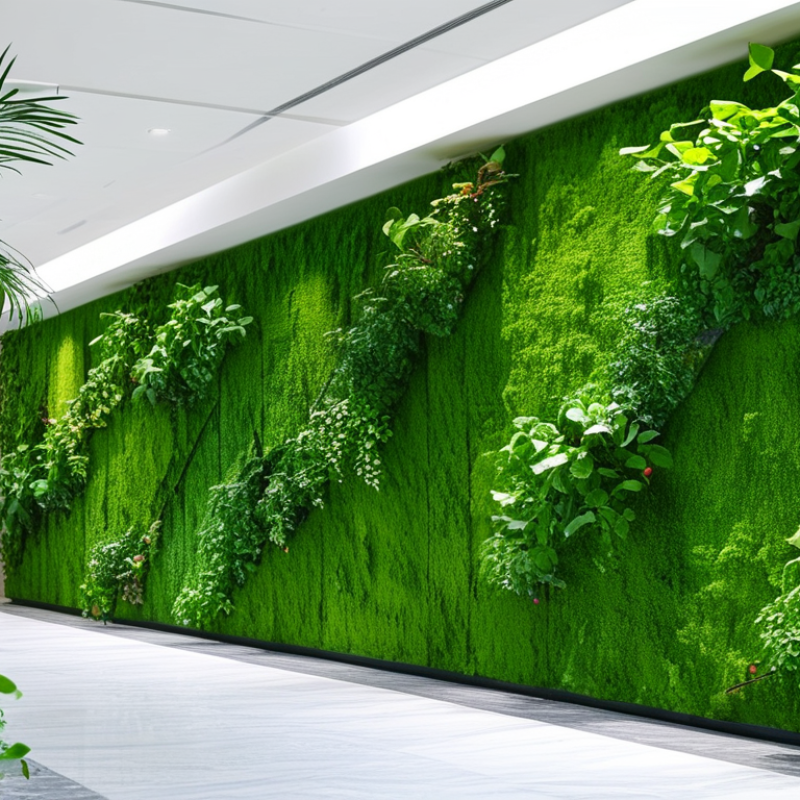
Green wall systems, also known as vertical gardens, are becoming popular in both indoor and outdoor spaces. These innovative systems consist of live plants growing on a vertical surface. They can be installed on walls or freestanding structures, offering a unique way to incorporate greenery into urban settings. Some systems utilize hydroponic technology, while others rely on soil-based methods.
The benefits of green wall systems extend beyond aesthetics. They improve air quality by filtering pollutants and releasing oxygen. These walls can also reduce noise pollution through sound absorption. Additionally, they provide natural insulation, potentially lowering energy costs. However, maintenance is crucial. Not all systems are easy to manage. Choosing the right plants and ensuring regular care can be challenging for some.
Moreover, it’s essential to consider the initial investment. The installation costs can be high, depending on the complexity of the system. A deep understanding of local climate conditions and plant selection is vital. Improper choices can lead to costly replacements or system failures. While the appeal of green walls is significant, careful planning and consideration are necessary for long-term success.
Green wall systems offer numerous environmental benefits that can greatly enhance your space. They act as natural air filters, reducing indoor pollutants. Plants absorb carbon dioxide and release oxygen. This process aids in improving air quality, which is essential for our health. You can notice a difference in how fresh the air feels in spaces with green walls.
These systems also help in insulating buildings. They reduce the need for heating and cooling. Plants provide shade in the summer and retain warmth in winter. This can lead to lower energy costs. Additionally, green walls help manage rainwater. They absorb excess rainfall, which can prevent water runoff and reduce the risk of flooding.
Not everything about green walls is perfect. Maintenance can be challenging. Regular care is necessary to keep plants thriving. Neglect can lead to pests and diseases. Choosing the right plants for your climate is also vital. This may require some trial and error. Green wall systems hold great potential, but they need proper planning and care to reach their full benefits.
The green wall systems provide various environmental benefits that enhance urban spaces. This chart illustrates the percentage impact of different environmental benefits derived from integrating green walls, showcasing their importance in improving air quality, promoting energy efficiency, supporting biodiversity, enhancing aesthetic value, and reducing noise pollution.
Green wall systems are becoming increasingly popular for their aesthetic appeal. They transform dull spaces into vibrant environments. Imagine entering a room adorned with lush greenery. Such a sight can uplift your mood instantly. The variety of plants available allows for creative designs. Each arrangement can reflect personal style, blending nature with modern architecture.
These vertical gardens do more than beautify. They improve air quality too. Plants naturally filter toxins and release oxygen. This dual benefit enhances both visuals and wellness. However, maintenance can be challenging. Some plants may require more care than anticipated. It's essential to choose species that fit your lifestyle and setting. Regular upkeep is needed to keep the installation thriving.
Integrating a green wall can spark conversation. Visitors are often drawn to the unique aspects of living walls. Yet, consider the initial costs and installation process. It's important to reflect on whether it aligns with your vision. The aesthetic appeal can be stunning, but practicality must be addressed. Choosing the right design will create a lasting impact in any space.
| Benefit | Description | Impact on Space |
|---|---|---|
| Aesthetic Appeal | Enhances the visual attractiveness of interior and exterior spaces. | Creates a more inviting atmosphere. |
| Air Quality Improvement | Helps filter pollutants and improve indoor air quality. | Promotes healthier living environments. |
| Acoustic Benefits | Reduces noise pollution and echoes in urban areas. | Creates a quieter and more peaceful environment. |
| Thermal Insulation | Helps regulate indoor temperature by providing insulation. | Improves energy efficiency. |
| Biodiversity Promotion | Supports a variety of plant species, attracting wildlife. | Enhances ecological value of urban areas. |
Indoor air quality is crucial for maintaining a healthy living environment. Green wall systems can significantly enhance air quality indoors. According to a study conducted by NASA, certain plants can remove up to 87% of volatile organic compounds (VOCs) from the air within 24 hours. VOCs are common pollutants found in many household products. By installing green walls, spaces can benefit from natural air purification.
Plants in green walls also contribute to humidity regulation. They release moisture through a process called transpiration. This can help reduce dry air, which is linked to respiratory issues. A report by the University of Technology Sydney indicates that indoor humidity levels can increase by 20-30% when green walls are present.
Beyond improving air quality, green walls can also introduce biophilic design principles. This approach connects occupants to nature, reducing stress and enhancing well-being. Studies show that people in environments with natural elements report lower anxiety levels. However, the initial setup and maintenance of green walls require careful planning and resources. Balancing these factors is essential for maximizing the benefits of green wall systems.
Green wall systems offer numerous benefits, but maintenance is crucial for optimal performance. Regular inspections are essential. Plants need sufficient light, water, and nutrients. A study by the Living Architecture Project indicates that 93% of green wall systems require regular irrigation management. It is vital to monitor moisture levels to prevent root rot or drying out.
Another consideration involves plant selection. Different species have diverse growth rates and maintenance needs. According to research from the University of California, choosing local, drought-resistant plants can reduce overall maintenance costs by 30%. This strategy supports sustainability while minimizing resource consumption.
Cleaning is necessary as well. Dust and debris can accumulate on green walls, impacting their aesthetic appeal and plant health. Regular cleaning ensures plants receive adequate sunlight and air circulation. Experts recommend cleaning every six months, but this might vary based on location. Urban settings may require more frequent attention due to higher pollution levels. Balancing aesthetics and plant health can sometimes prove challenging, emphasizing the need for ongoing reflection and adjustment in maintenance practices.