Best Electric Forklift Battery Options for Global Buyers?

The demand for electric forklifts has surged globally. As businesses seek efficient solutions, the choice of an Electric Forklift Battery becomes critical. Selecting the right battery can significantly influence productivity and operational costs.

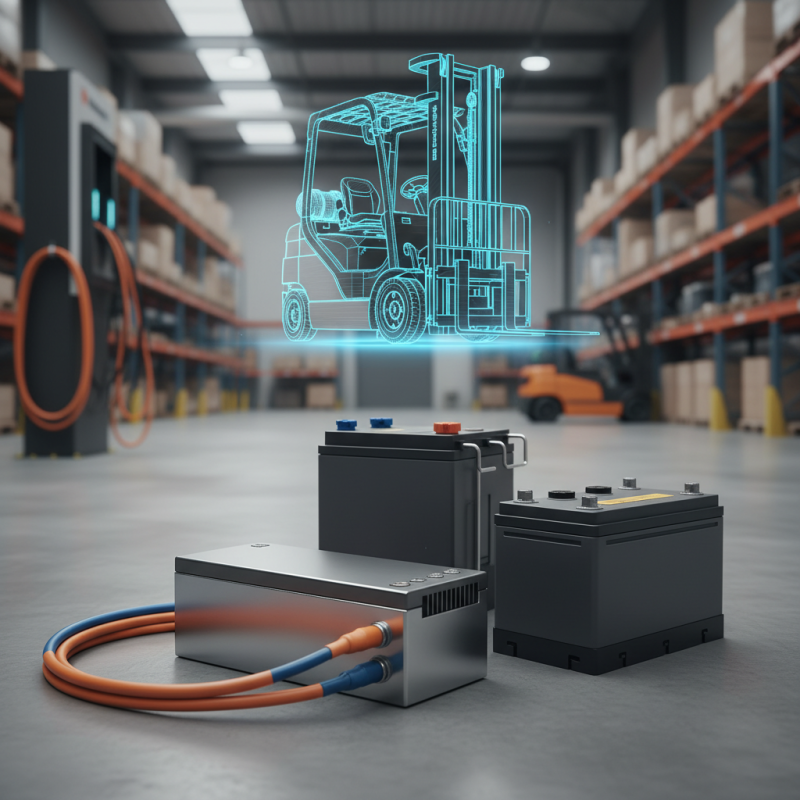
Various options exist for electric forklift batteries, each offering unique advantages and drawbacks. Lithium-ion batteries are popular for their longer lifespan and faster charging times. However, their upfront costs are higher. On the other hand, lead-acid batteries are more affordable but require more maintenance and have shorter lifespans. It's essential to evaluate the specific needs of your operations before making a decision.

Additionally, not all batteries are suited for every application. Depending on the type of forklift and intended use, the battery choice can vary. Businesses must consider factors such as weight, lift capacity, and working environment. A thorough understanding of these elements will lead to a more informed choice of an Electric Forklift Battery, ultimately enhancing efficiency and reliability in operations.
Best Electric Forklift Battery Options for Global Buyers?

Types of Electric Forklift Batteries: A Comprehensive Overview

When selecting an electric forklift battery, it is crucial to understand the various types available. First, lead-acid batteries are the most common choice. They are reliable and cost-effective. However, they require regular maintenance. Users must check water levels and clean terminals frequently. This can be labor-intensive for busy operations.

Lithium-ion batteries have gained popularity recently. They offer longer lifespan and faster charging times. These batteries generally require less maintenance. However, their initial cost is higher. Buyers need to weigh the long-term benefits against the upfront investment. Some users have reported satisfaction, while others found the purchasing decision challenging.

Another option includes nickel-metal hydride batteries. They are less common but can be useful in specific applications. These batteries excel in temperature variations and have a lower self-discharge rate. Nonetheless, their availability may be limited. Prospective buyers must consider these factors to ensure proper selection.

Comparative Analysis of Lead-Acid and Lithium-Ion Forklift Batteries

When comparing lead-acid and lithium-ion batteries for electric forklifts, key differences emerge. Lead-acid batteries are the traditional choice, accounting for over 50% of the market due to their lower initial cost. However, these batteries have a shorter lifespan, often lasting around 1,500 cycles. This can lead to higher long-term costs in replacement and maintenance.

On the other hand, lithium-ion batteries offer significant advantages despite their upfront expense. They can last up to 5,000 cycles, providing a lifespan that is more than three times longer than lead-acid options. According to industry reports, lithium-ion batteries also charge faster, achieving an 80% charge within just one hour. This feature can reduce downtime for warehouses, leading to increased productivity.

However, some concerns are present. The higher cost of lithium-ion batteries remains a barrier for many buyers. Furthermore, the need for specialized charging infrastructure can complicate implementation in traditional settings. As buyers consider their options, a careful analysis of total cost of ownership is essential. Balancing initial costs and longevity is critical for optimal decision-making in an evolving market.

Factors to Consider When Choosing an Electric Forklift Battery

When selecting an electric forklift battery, there are several critical factors to weigh. Consider the battery type first. Lithium-ion batteries offer fast charging and longer lifespans. However, lead-acid batteries are more readily available and generally less expensive. Each type has its pros and cons. Evaluating your operational needs can help guide your choice.

Capacity is another vital aspect. It determines how long the forklift will operate before needing a recharge. Higher capacity can lead to less downtime but can also increase the overall weight of the forklift. Think about the demand of your daily operations. Is your usage high or low? Balancing your needs with battery weight is essential.

Charging times vary significantly as well. Some batteries require a long charging cycle, while others can recharge quickly. Instant access to power can enhance productivity. However, quick-charging options may also come at a premium. Take time to examine the charging infrastructure of your facility. Is it capable of supporting your chosen battery type? These considerations ensure you make an informed decision.

Best Electric Forklift Battery Options for Global Buyers

Top Brands and Manufacturers of Electric Forklift Batteries

When selecting electric forklift batteries, understanding the key manufacturers is crucial. The industry features several leading brands known for their quality and durability. Buyers often look for companies that invest in research and development. This innovation ensures their batteries perform efficiently over time. Many manufacturers also focus on sustainability. This focus is increasingly important to global buyers.

Expertise in battery technology is another vital factor. Companies often specialize in specific battery types, such as lithium-ion or lead-acid. Each type has its advantages and drawbacks. Some brands excel in fast charging capabilities while others may offer better lifespan or affordability. Buyers need to weigh these factors based on their operational needs.

Additionally, customer support is a critical aspect. Many brands provide extensive warranties and service options. This commitment reflects their confidence in the product's quality. However, not all companies uphold these standards. It's essential to research customer reviews and feedback. This information can provide insight into any potential issues with a brand or product.

Future Trends in Electric Forklift Battery Technology and Sustainability

The electric forklift battery technology is evolving rapidly. Manufacturers are focusing on sustainable materials. Lithium-ion batteries have gained attention. They offer longer lifespans and faster charging. This shift indicates a move towards more eco-friendly solutions. Many industries seek options that reduce environmental impact.


Future trends suggest more innovations are coming. Solid-state batteries might be a possibility. These batteries could enhance safety and energy density. However, challenges remain in production costs and scalability. The transition to greener technologies requires investment and commitment.


Sustainability in battery production is another critical aspect. Recycling programs must improve. Many batteries end up in landfills. Establishing efficient recycling processes is essential. It poses both an opportunity and a challenge. There is a need for better infrastructure and more awareness. This encourages responsible usage and disposal. Sustainability efforts can reshape the future of electric forklifts and the industry as a whole.