How to Choose the Right 18 AWG TEC Cable for Your Needs?
When it comes to selecting the right 18 AWG TEC Cable, industry expert John Smith emphasizes, "The right cable makes all the difference." This statement highlights the importance of making informed choices in this specialized market. The 18 AWG TEC Cable is often used in various applications, from HVAC systems to electronic devices. Understanding its specifications, such as current capacity and insulation type, is crucial.
Choosing the perfect 18 AWG TEC Cable can seem overwhelming. Different projects require different cables. A cable that works for one application may not be right for another. This variability can lead to mistakes if not carefully considered. Users should reflect on their specific needs before making a decision.
Furthermore, it’s essential to evaluate the supplier's reputation. Reliable suppliers provide cables that meet stringent quality standards. However, some less-known brands might offer misleading claims. This scenario calls for caution and a thorough background check. Ultimately, understanding these aspects aids in making effective choices.
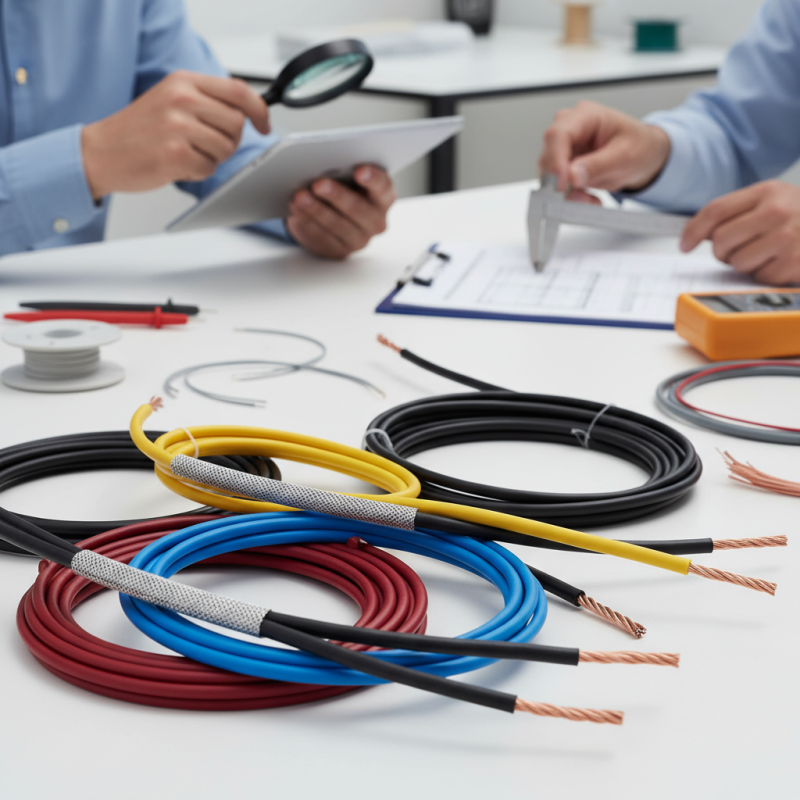
Understanding 18 AWG TEC Cable: Key Features and Specifications
When selecting an 18 AWG TEC cable, it's crucial to understand its key features and specifications. Wire gauge is a significant factor. The AWG (American Wire Gauge) rating reflects the wire’s diameter and current-carrying capacity. An 18 AWG wire can safely handle around 10 amps, making it suitable for low to moderate power applications. However, using it for heavy loads can lead to overheating.
Insulation type is another critical aspect. PVC, silicone, and other materials offer varying degrees of heat resistance and flexibility. For environments with high temperatures or exposure to chemicals, choose a cable with superior insulation. Pay attention to the cable's length as well. Longer cables may experience voltage drops, which can impact performance.
Consider the environment where the cable will be used. Indoor cables differ significantly from those designed for outdoor use. Additionally, be aware that not all cable installations are perfect or straightforward. Complications can arise, leading to challenges in connectivity or insulation. Regularly inspecting your setup can help identify potential issues early on, ensuring reliability in your applications.
Identifying Your Project Requirements for Cable Selection
When selecting the right 18 AWG TEC cable, understanding your project requirements is crucial. Think about the environment where the cable will be used. Are there extreme temperatures or moisture? These factors will affect performance. If your project needs flexibility, consider the cable's ability to bend without damage. A stiff cable might not work in tight spaces.
Next, evaluate the current carrying capacity. Make sure the cable can handle your power needs. An undersized cable can lead to overheating and failures. Check the length requirements too. Longer cables may increase resistance, impacting efficiency. It's also essential to consider the connections. Poor connections can result in power loss.
Reflect on your future needs as well. Will your project expand? If so, choose a cable that can handle more current later on. Sometimes, investing in a higher-capacity cable is wise, even if it feels excessive now. Be mindful of your budget, but prioritize quality. Cheaper cables often fail sooner, leading to unexpected costs.
Factors to Consider When Choosing 18 AWG TEC Cables
When selecting 18 AWG TEC cables, there are important factors to consider. The intended application plays a crucial role. Different setups may demand unique insulation types, lengths, or temperature ratings. Assessing the cable's flexibility is also vital. Some projects may require a more pliable cable for ease of installation.
Quality matters significantly. Check the gauge rating and insulation material. High-quality cables reduce the risk of failure and ensure reliable performance. Look for details on the cable's durability against mechanical stress and environmental factors. The tension and bending strength are worth evaluating as they impact the long-term usage.
Budget is often a major deciding factor. A common mistake is prioritizing price over quality. Sometimes, cheaper options fail quickly, leading to costly replacements. Ask questions about the cable's lifespan. Will it be able to withstand the expected operational conditions? Take your time evaluating all these components before making a purchase. Remember, the right 18 AWG TEC cable can make a huge difference in your project's success.
Evaluating Different Manufacturers and Product Options
When evaluating 18 AWG TEC cables, consider the manufacturer’s reputation. Research companies with a history of quality and reliability. Look for testimonials from previous users. This can reveal insights into product durability and performance.
Check the material and insulation used in the cables. Different materials impact flexibility and resistance to environmental factors. A cable designed for harsh conditions may use specialized insulation. Sometimes, manufacturers provide data on temperature ranges and voltage ratings. This information is crucial for safe usage.
Product options can vary significantly. Examine specifications carefully. Some cables may offer additional features, like enhanced shielding. These options may be beneficial for specific applications. Don't overlook compatibility with existing systems. If possible, consult with experts or experienced users. Their insights can guide your decision-making process. Always consider what you truly need.
Comparison of Different 18 AWG TEC Cables Based on Conductivity and Flexibility
Best Practices for Installation and Maintenance of TEC Cables
When it comes to installing TEC cables, proper installation and maintenance are crucial for optimal performance. Start by ensuring that the cable is routed correctly. Avoid sharp bends and kinks, which can weaken the cable over time. Keep the cable away from high-voltage lines to minimize interference. Always secure the cable using appropriate fasteners to prevent movement that could cause wear or damage.
Keep your TEC cables clean. Dust and debris can affect performance. Regularly inspect the connections for signs of corrosion or wear. Performing periodic checks can prevent costly upgrades later. It may seem tedious, but investing time in maintenance pays off.
Tips: Use cable ties to organize your TEC cables. This helps in avoiding confusion during troubleshooting. Always label each cable for ease of identification. Also, consider using heat-shrink tubing to protect connections. This small step can enhance durability and reliability. Remember, even minor neglect can lead to significant issues.