2026 How to Choose the Best Loader Cylinder for Your Needs?
Choosing the right Loader Cylinder is crucial for maximizing efficiency and performance in various applications. A loader cylinder impacts the operation of construction equipment, agricultural machinery, and more. Selecting the best loader cylinder involves understanding specific needs, load capacity, and hydraulic requirements.
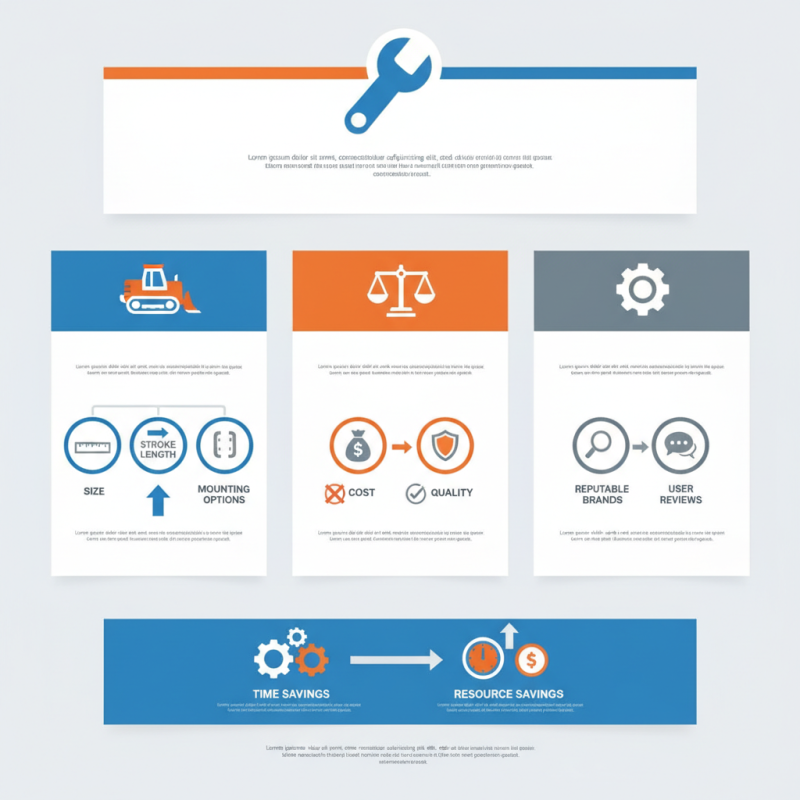
When evaluating loader cylinders, consider factors like size, stroke length, and mounting options. These details can significantly influence the effectiveness of your equipment. Not everyone fully understands how these components work, and a common mistake is to overlook the manufacturer's specifications.
An ideal loader cylinder provides reliable service and durability, yet some users may prioritize cost over quality. This can lead to premature failures and increased maintenance costs. It's essential to explore reputable brands and read reviews to ensure the best choice. The right loader cylinder not only enhances performance but also saves time and resources in the long run.
Understanding Loader Cylinders: Key Terminology and Types
Loader cylinders play a crucial role in various machinery. Understanding their types and terminology is essential for making the right choice. A loader cylinder is essentially a hydraulic cylinder that helps lift and move heavy loads. The two main types are single-acting and double-acting cylinders. Single-acting cylinders move in one direction, while double-acting cylinders allow for movement in both directions. This distinction can significantly affect the performance of your equipment.
Key terminology also helps clarify the specifications of loader cylinders. Terms like “bore size,” which refers to the internal diameter, and “stroke length,” which is the distance a cylinder can move, serve as vital indicators. Choosing the right bore size can influence the lifting capacity. The stroke length directly impacts how high or far the loader can extend. It's essential to consider the machine’s requirements and intended applications.
It’s easy to overlook some details. For instance, not all applications require high-pressure systems. Sometimes, lower pressure can suffice. Improper cylinder selection can lead to performance issues, causing costly downtime. Reflecting on the specifics of your tasks can prevent these missteps. Make informed decisions by considering both the technical certifications and the real-world needs of your projects.
Factors to Consider When Selecting a Loader Cylinder
When selecting a loader cylinder, several factors come into play. The load capacity is critical. Ensure the cylinder can handle the weight you intend to lift or move. Consider the stroke length, which affects how far the cylinder can extend and retract. This measurement can impact your project’s efficiency.
Another essential factor is the mounting style. It affects the cylinder's stability and performance. Evaluate the working environment for elements like temperature and exposure to harsh conditions. Cylinders made from different materials can withstand varying levels of stress and wear. If the environment is abrasive, investing in higher-quality materials can be a wise choice.
Tips: Regular maintenance is key to the longevity of your loader cylinder. Inspect it frequently for signs of wear or damage. If you encounter unusual sounds or movements, address these issues promptly. Also, familiarize yourself with different cylinder types. Understanding whether hydraulic or pneumatic options suit your needs can simplify your decision. Don't ignore user reviews and feedback. They can provide insights you might not have considered.
Evaluating Performance Characteristics and Specifications
When selecting a loader cylinder, understanding performance characteristics is crucial. The right dimensions, such as stroke length and bore size, determine its effectiveness. According to industry reports, a cylinder's efficiency can significantly impact overall equipment performance. A well-sized loader cylinder optimizes lifting capabilities and reduces wear.
The maximum operating pressure is another important specification. Many loaders operate between 2,000 and 3,000 psi. Exceeding this can lead to failure. Reports suggest that operating within recommended pressure avoids damage, extending the cylinder's lifespan. Material composition influences durability as well. Hydraulic cylinders made from high-strength steel often resist wear better than their lighter counterparts.
Evaluating these specifications takes time. Not all applications require the same features. Users should also consider environmental factors, such as temperature and exposure to elements. A common issue is the mismatch between cylinder capabilities and actual load requirements. Regular assessments can reveal performance gaps. By emphasizing specifications aligned with specific needs, operators can avoid costly downtimes and enhance productivity.
2026 How to Choose the Best Loader Cylinder for Your Needs? - Evaluating Performance Characteristics and Specifications
| Feature | Specification | Performance | Suitability |
| Bore Size | 3.0 inches | High efficiency | Medium-duty applications |
| Stroke Length | 24 inches | Fast operation | Heavy-duty applications |
| Pressure Rating | 3000 psi | Consistent power output | Construction work |
| Body Material | Steel | Durability and strength | Long-term use |
| Seal Type | Double lip | Leakage reduction | Optimal performance |
Compatibility and Sizing: Ensuring the Right Fit for Your Loader
Choosing the right loader cylinder is crucial for optimal performance. Focus on compatibility and sizing. Each loader has specific requirements based on its model and usage. Take precise measurements of the existing cylinder. Pay attention to the stroke length and bore diameter. These factors ensure efficient operation.
Consider the loader's weight and load capacity too. An undersized cylinder may struggle, while an oversized one can lead to excess pressure. This imbalance can affect performance and safety. Assess your workload frequently; are you lifting different materials? Adjust accordingly.
Consult experienced professionals or manuals. Many users overlook this step. They might order a cylinder based purely on guesswork. Doing so can lead to costly mistakes. Take time to verify specifications. It’s better to spend a little extra effort now than to deal with issues later. Remember that even small miscalculations can have significant consequences.
Maintenance Tips for Extending the Life of Loader Cylinders
Loader cylinders play a crucial role in the operation of heavy machinery. Proper maintenance can significantly enhance their lifespan and efficiency. Regular inspections are vital. Look for signs of wear, leaks, and corrosion. Quick identification of these issues can prevent costly repairs down the line. It’s easy to overlook small concerns, but they can escalate into bigger problems.
Ensure that you clean the cylinders frequently. Dirt and debris can cause damage over time. Use a soft cloth and appropriate cleaning agents. Pay attention to the seals and bushings; they might require lubrication to function correctly. Neglecting these components can lead to premature failure.
It's common to underestimate the importance of maintenance schedules. Adhering to a routine check-up can save you from unexpected downtime. Document each maintenance session. This creates a history of the cylinder's health that helps in decision-making. Sometimes, the best lessons come from experiencing failures. Reflect on past maintenance practices to improve your approach moving forward.
2026 How to Choose the Best Loader Cylinder for Your Needs?
This chart illustrates key specifications to consider when selecting the best loader cylinder for your needs, including capacity, piston diameter, stroke length, and operating pressure. Proper understanding of these dimensions can help in maintenance and extending the life of loader cylinders.